
Fencing
Storm-Damaged Fences: Repair or Replace, and How to Stop It Happening Again
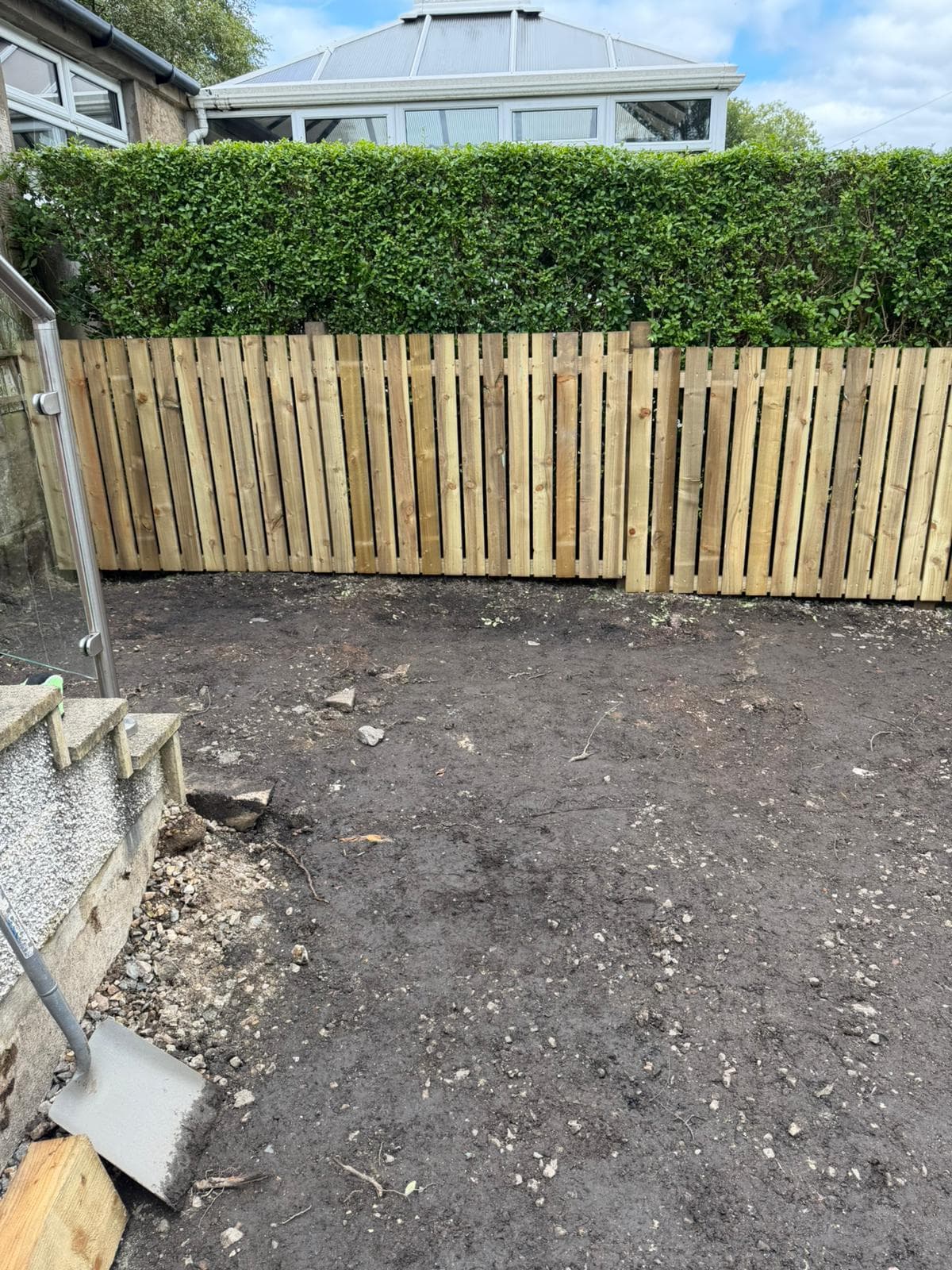
Named storms coming in off the Atlantic have become a routine part of winter here, and a run of them will find every weak fence in a street. The immediate problem is obvious: a garden that was private and secure on Friday is open to the road on Saturday. The less obvious problem is that the fence probably did not fail because the wind was exceptional.
Look at the post, not the panel
When a fence blows over, the panel is usually the part that looks damaged and the part that is actually fine. Timber posts rot at the point where they enter the ground, because that is where moisture and oxygen meet. The wood above looks sound, the wood below looks sound, and a band at ground level has quietly turned to nothing. The next gale simply finds it.
A quick check: push the post firmly at shoulder height. If it moves at the base while the panel stays rigid, the post has gone. If several posts do the same, replacing panels is money spent on the wrong component.
“I had a garden fence that came down due to high winds, Scott installed a new fence for me and repaired the roof on my shed. A job well done, thanks Scott and the Scotia Maintenance team.”
What makes a fence survive here
- Post depth. Roughly a quarter to a third of the total post length in the ground, concreted, with the concrete shaped to shed water away from the timber rather than hold it against it.
- Concrete posts with timber panels. Not to everyone’s taste, but they remove the rot point entirely and are why some fences in a street stay up while others do not.
- Wind permeability. A solid close-board fence acts as a sail. Slatted or hit-and-miss fencing lets wind through and takes far less load, which matters on exposed plots.
- Gravel boards. Keeping the panel clear of wet ground stops the bottom rail rotting and makes the panel replaceable without disturbing the posts.
That third point is the one worth thinking hardest about. Exposure along the Clyde, from Langbank and Bishopton through Bowling and Old Kilpatrick, is genuinely severe, and a tall solid fence on an open boundary is fighting physics.
“Scott came and built my back fence that had fell over with the bad winds which opened up my whole back and I felt so insecure in my house with it opened up. Scott and his team came and got up rapid and it’s looking fantastic now.”
Who owns it, and the height rules
Boundary ownership is worth establishing before work starts, and the title deeds are the place to check rather than the old rule about which side the posts are on, which has no legal standing. Where a boundary is shared, a conversation with the neighbour first avoids an awkward one later.
On height, a fence over two metres generally needs planning permission, and the limit drops to one metre where it borders a road used by vehicles. Front garden fences are the usual place people come unstuck.
Storm damage tends to arrive alongside other jobs, since the same wind that takes a fence out will lift shed felt and bring down branches. Fencing sits within outdoor maintenance and is often handled together with tree and shrub work in the same visit. If something has come down, get in touch and it can be looked at.
Related services
Areas this applies to
Get a free quote
Tell us where you are and what the garden needs. Quotes are given after seeing the space, so the price reflects the actual job rather than a guess.
- Call
- 07766 636189
- Message on WhatsApp
- Opening hours
- Monday to Sunday, 8:00am – 4:00pm