
Lawns & turf
Turf or Grass Seed? Choosing How to Start a New Lawn
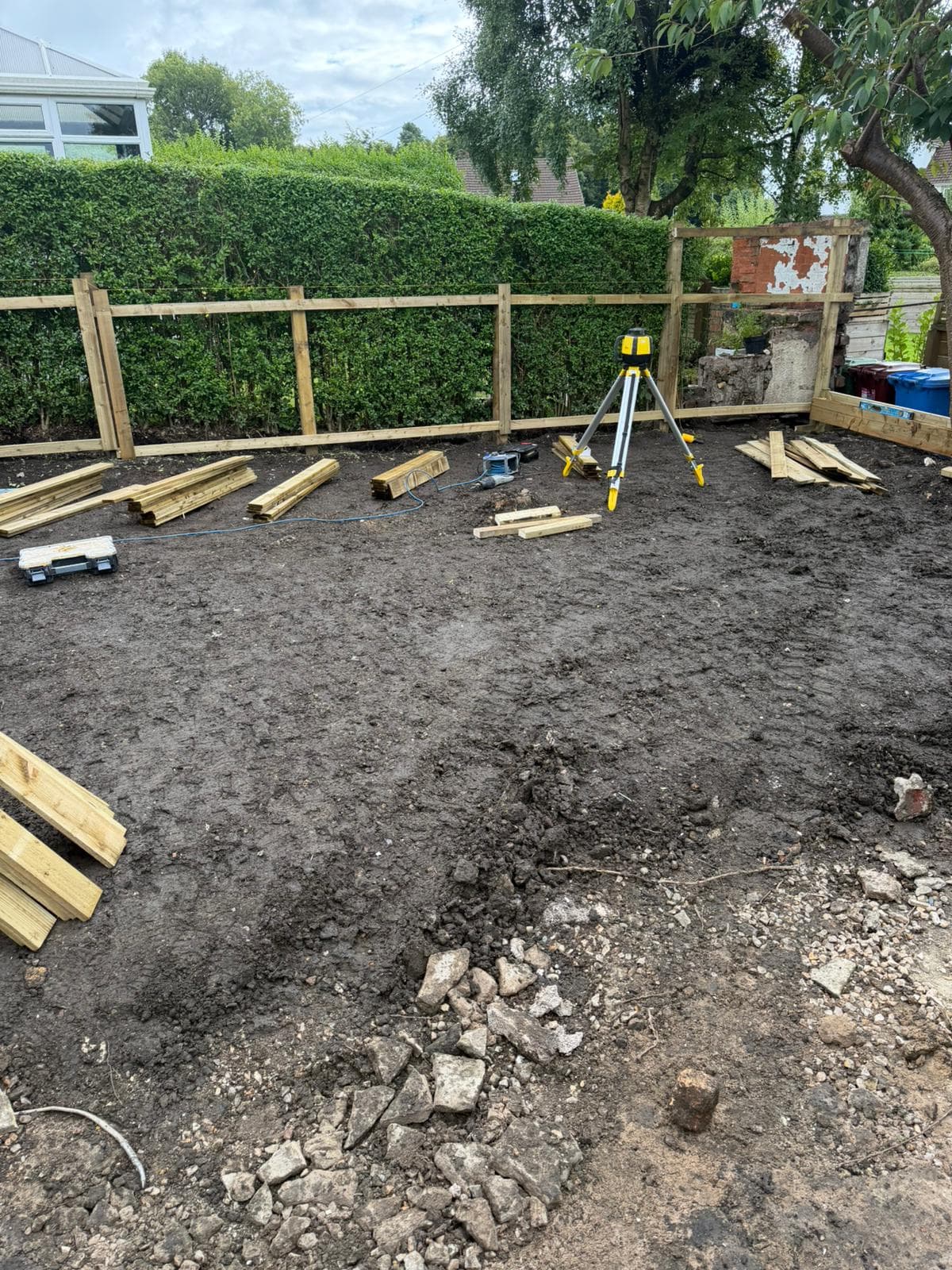
Both routes end up in the same place if the ground underneath is right. They differ in cost, in how long you wait, and in what the lawn is like in year three. Neither compensates for poor preparation, which is where almost every failed new lawn actually goes wrong.
The case for turf
Turf is an instant result. The garden goes from bare soil to green in a day, which matters if you have children, a dog, a house sale coming up or simply cannot live with mud for a season. It suppresses weeds immediately because there is no bare ground for them to colonise, it can be laid across a much wider window than seed can be sown, and it stabilises a slope straight away where seed would wash off.
The trade-offs are cost, which is several times seed, and a establishment period during which it must not dry out. Turf laid and then neglected for a fortnight of dry weather shrinks, gaps open at the joints and the edges curl. It also needs staying off for two to three weeks while it roots in.
The case for seed
Seed costs a fraction of turf and produces a lawn with better long-term root structure, because the grass develops in the soil it will live in rather than being grown elsewhere and transplanted. You can also choose the mix precisely: a hard-wearing ryegrass blend for a family garden, something finer for appearance, or a shade-tolerant mix for an enclosed plot.
Against that, you are looking at a bare garden for weeks and a usable one after a few months. The sowing window is narrower, realistically spring or early autumn here, and autumn usually wins because the ground is warm and rain is reliable. Birds take some of it, weeds compete with it, and heavy rain on a slope can move it before it germinates.
The part that decides both
Preparation is identical either way and it is most of the job. Clear the existing surface and its weed roots properly. Relieve any compaction, because grass laid over a hard pan struggles regardless of how it started. Bring the topsoil up to a real depth, at least 100mm and preferably more. Grade it so water runs away from the house. Firm it down evenly, then rake to a fine tilth.
Skip that and both options fail in the same way and on the same timetable. It is the same story as new-build lawns, where the turf was never the problem. Where the ground holds water, drainage goes in first. Where the plot is shaded or in heavy use, it is worth weighing artificial grass honestly before spending on either.
For a large area, a bank or a new-build plot where turfing is impractical, hydroseeding is a third route worth asking about. Whichever way it goes, lawn work starts with looking at the ground, and the first season of aftercare matters more than the method.
Related services
Areas this applies to
Get a free quote
Tell us where you are and what the garden needs. Quotes are given after seeing the space, so the price reflects the actual job rather than a guess.
- Call
- 07766 636189
- Message on WhatsApp
- Opening hours
- Monday to Sunday, 8:00am – 4:00pm